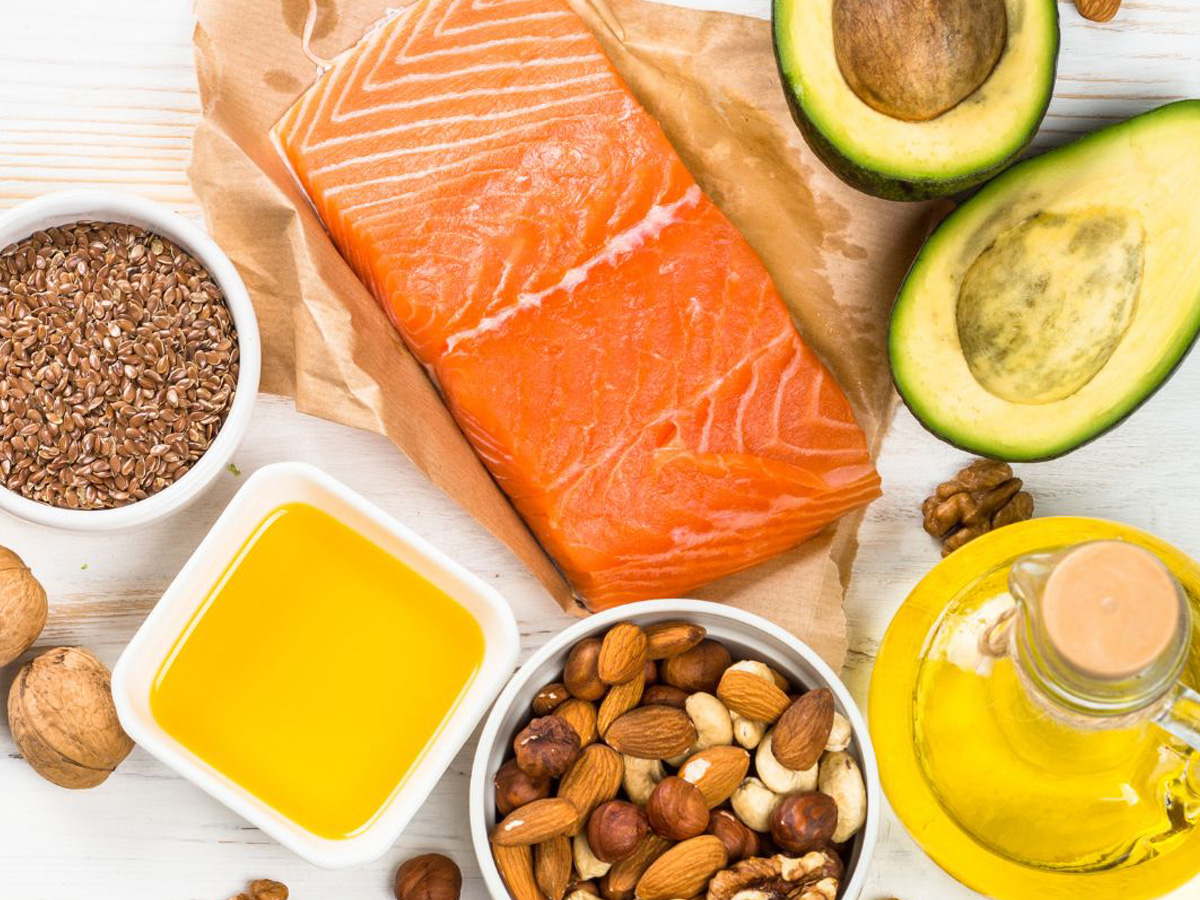
Trans fats are unsaturated fat molecules containing one or more double bonds between carbon atoms. Double bonds create a rigid “kink” in the hydrocarbon chain, affecting the fat’s stability. Fats can be firm or soft: saturated fats (no double bonds) are solid at room temperature, while unsaturated fats (one or more double bonds) are liquid and less stable when heated.
Trans fats occur naturally in small amounts in beef and dairy but are problematic when artificially created. This process often involves adding hydrogen to oils, turning them into solid fats like Crisco.
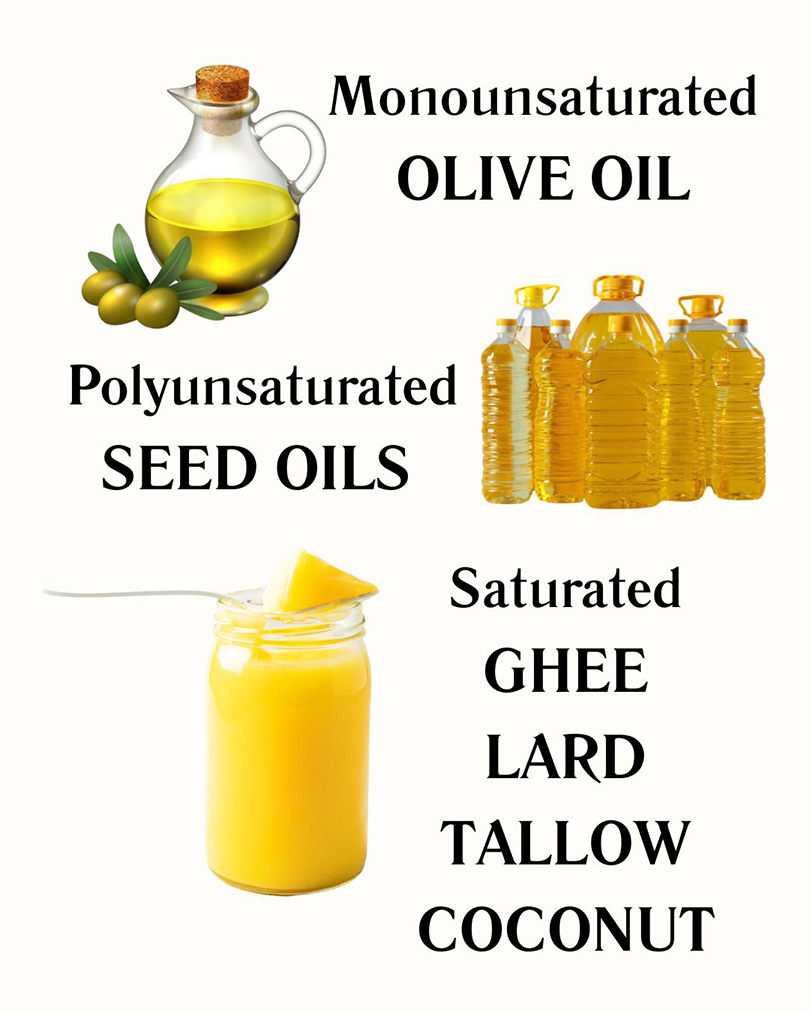
There Are 3 Main Types of Fats
1. Monounsaturated fats – One double bond. Think oleic acid in olive oil which is 100% unsaturated fat.
2. Polyunsaturated fats – Two or more double bonds. Think omegas 3 and 6 in seed/vegetable oils and artificially produced.
3. Saturated fats – No double bonds. Think animal fats and coconut oil.
Shelf Life vs. Human Life
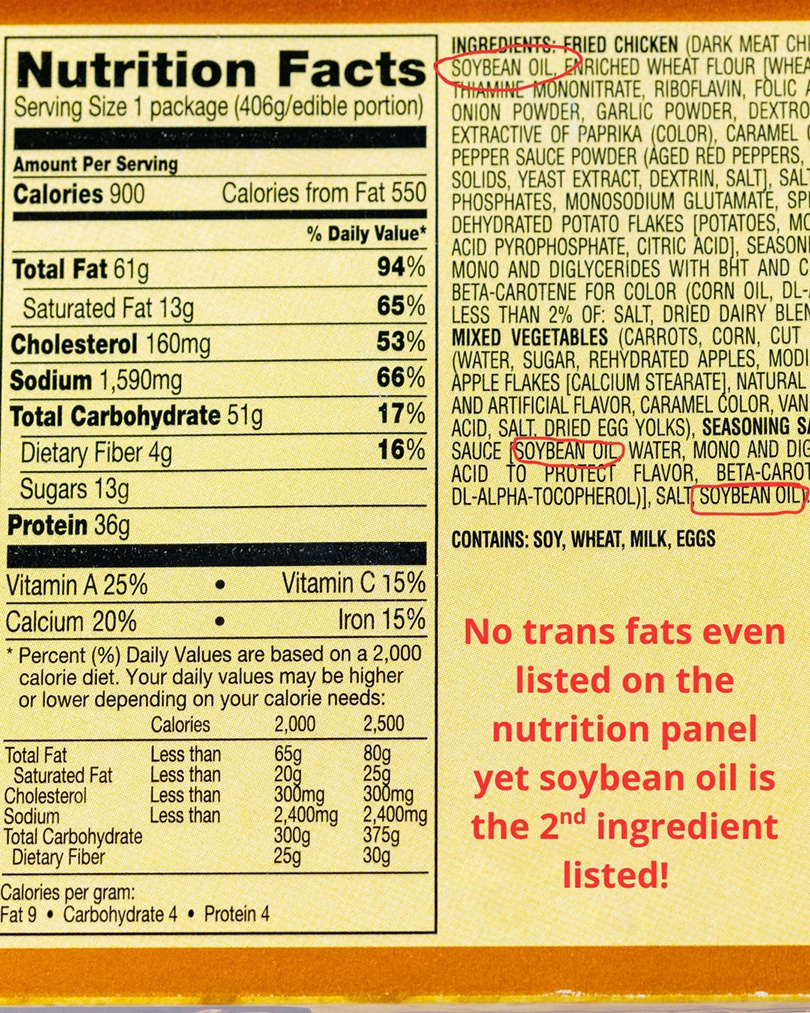
Our bodies cannot metabolize trans fats because we lack the necessary enzyme. Trans fats are often used to provide foods with a desirable texture but more importantly to extend the shelf life of food. Many foods contain them without you knowing. Approximately 60% of the American diet comes from processed foods, ultra-processed foods which are chemically altered and chances are will include trans fat.
In 2006, the FDA required labeling of trans fats, but loopholes allow companies to list 0 grams if a serving contains less than 0.5 grams. This means that if you eat multiple servings, you could consume significant amounts without knowing.
Trans fats can increase LDL cholesterol (linked to heart disease) while lowering HDL (protective cholesterol). They have been associated with blocked arteries, coronary artery disease, diabetes, obesity and increased risks of certain cancers.
By knowing about trans fats, you can make better choices about what you eat and choose foods that are better for your health.
At the end of the day, it’s not so much about how much fat you consume but what kind of fat you eat. Good fats give us energy while bad ones create inflammation with long term consumption.
To learn about the different types of fats, which are good and not so good, check out our blog, What Fats Are Actually Healthy.
 What About Seed Oils? “The Hateful 8” Toxic Seed Oils.